7 Signs Your Pelvic Floor May Be Asking for Help
When you hear “pelvic floor,” you might think of pregnancy, Kegels, or bladder leakage. But your pelvic floor does much more than that.
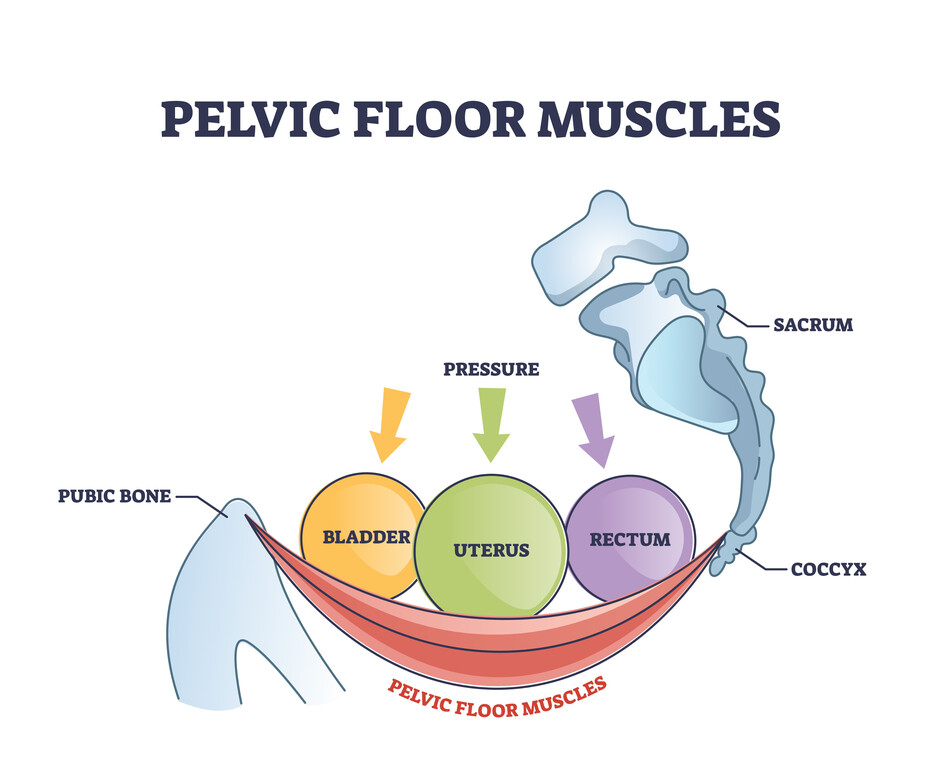
The pelvic floor is a group of muscles and connective tissues that support your pelvic organs and contribute to bladder and bowel control, sexual function, and core support. Like any other muscle group, these muscles need to be able to contract, relax, and coordinate appropriately.
When that system isn’t working as well as it should, your body may give you signs — and some of them are easier to miss than you might think.
Here are seven signs that your pelvic floor may be asking for some attention.
1. You Leak When You Cough, Laugh, Sneeze, or Exercise
Do you notice bladder leakage when you sneeze, laugh, run, jump, or lift something heavy?
This type of leakage is common, but that doesn’t mean you simply have to live with it.
Your pelvic floor plays an important role in helping manage pressure and support bladder control during everyday activities. Leakage can be a sign that this system isn’t responding as effectively as it could.
2. You’re Always Looking for the Nearest Bathroom
Do you suddenly feel like you need to rush to the bathroom?
Maybe you urinate frequently, go “just in case” before leaving the house, or find yourself planning activities around bathroom access.
Urinary urgency and frequency can have many contributing factors, and pelvic floor function may be one of them.
3. Bowel Movements Feel Harder Than They Should
Constipation isn’t always just about diet or how much water you drink.
Your pelvic floor muscles need to relax and coordinate properly during a bowel movement. When that coordination isn’t happening effectively, you may experience:
-
Frequent straining
-
Difficulty passing stool
-
A feeling of incomplete emptying
-
Needing to change position to have a bowel movement
If going to the bathroom regularly feels like a workout, your pelvic floor may be part of the picture.
4. You Experience Pelvic Pain or Pain with Intimacy
Pelvic floor problems aren’t always caused by muscles being “too weak.”
Sometimes, the muscles can be too tense or have difficulty relaxing.
This may contribute to pelvic, genital, rectal, or tailbone pain, as well as discomfort during intimacy.
That’s also why doing more Kegels isn’t automatically the right solution for every pelvic floor concern. Treatment should be based on what your individual pelvic floor actually needs.
5. You Feel Heaviness or Pressure in Your Pelvis
A feeling of heaviness, pressure, or bulging in the pelvic region can sometimes be associated with changes in pelvic organ support.
Some people describe the sensation as:
-
Heaviness in the pelvis
-
Vaginal pressure
-
A bulging sensation
-
Feeling as though “something is coming down”
These symptoms are worth discussing with a healthcare professional rather than simply assuming they are a normal part of aging or life after childbirth.
6. You Don’t Feel Completely Empty After Using the Bathroom
You’ve gone to the bathroom — but somehow you still don’t feel finished.
Difficulty completely emptying the bladder or bowel can sometimes be related to how well the pelvic floor muscles relax and coordinate.
If this happens regularly, it may be worth looking beyond the bladder or bowel itself and considering the role of the pelvic floor.
7. You’ve Started Changing Your Life Around Your Symptoms
Sometimes the biggest sign isn’t the symptom itself — it’s what you’ve started doing because of it.
Maybe you’ve stopped running because you’re worried about leaking.
Maybe you always locate the nearest bathroom before going somewhere.
Maybe intimacy has become uncomfortable.
Or perhaps you’ve simply decided that your symptoms are “normal” and learned to work around them.
If bladder, bowel, pelvic pain, pressure, or other pelvic health concerns are changing how you exercise, travel, socialize, or live your everyday life, they deserve attention.
You Don’t Have to Just Live With It
Pelvic health concerns are common, but they don’t have to be something you simply live with.
Pelvic floor physiotherapy looks at more than whether your pelvic floor is “strong” or “weak.” An assessment can help identify how your muscles are functioning and whether factors such as strength, tension, coordination, breathing, movement, or daily habits may be contributing to your symptoms.
Treatment is individualized and may include:
-
Education
-
Targeted exercises
-
Relaxation or breathing strategies
-
Movement retraining
-
Bladder or bowel strategies
-
Other approaches based on your individual needs
If any of these seven signs sound familiar, consider speaking with a pelvic health physiotherapist to find out whether an assessment may be right for you.
Come heal with us.
Ready to Learn More?
Book a pelvic health assessment or ask us about a free 20-minute consultation today.
Yasemin Ecem Temel
Contact Me